
IPPCAAS Uncovers Mechanisms Underlying Nitrification Recovery and Microbial Assembly Regulated by Soil Fumigation
Recently, the Soil Pest Management Team of the IPPCAAS published a research article online entitled Impact of dimethyl disulfide fumigation on soil nitrification and community assembly of ammonia-oxidizing archaea and bacteria in Soil Biology & Biochemistry (The journal ranks first in the JCR Soil Science category, is listed in Q1, and has an impact factor of 10.3). The study systematically elucidates how DMDS fumigation affects soil nitrification recovery and the community assembly of ammonia-oxidizing microorganisms.
Soil fumigation is one of the most effective approaches for controlling soil-borne diseases at the source. It can efficiently suppress soil pests and pathogens and exerts prominent fertilization effects to boost crop growth and yield. Soil fumigation alters the form and content of soil nutrients, thereby affecting nutrient cycling and transformation and facilitating efficient nutrient utilization. Nitrification is a key process in the soil nitrogen cycle. Fumigation generally inhibits nitrification and reshapes the structure of associated microbial communities in the short term. In-depth exploration of the recovery and reconstruction of nitrification and functional microorganisms following soil fumigation is essential to guide efficient nutrient utilization and the application of matched remediation technologies.
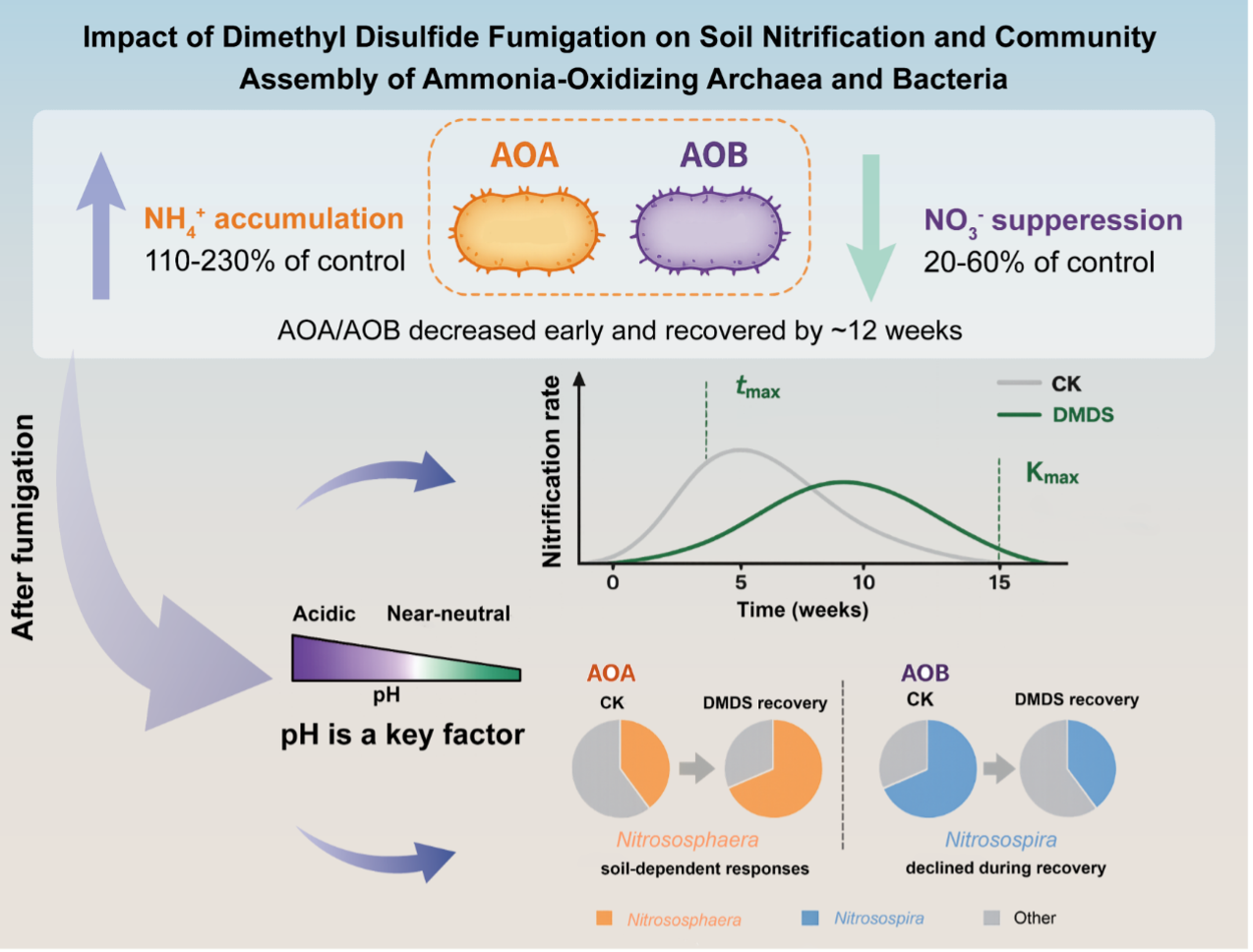
DMDS fumigation markedly delayed soil nitrification, which was associated with reduced amoA gene abundance and altered community composition of ammonia-oxidizing microorganisms, and the recovery process was strongly regulated by pH-mediated microbial community reassembly. Four agricultural soils with contrasting pH values were selected for incubation experiments to assess the effects of DMDS fumigation on soil nitrification. The results showed that nitrification was significantly suppressed during the early stage after fumigation. NH₄⁺–N concentrations increased to 110–230% of pre-fumigation levels within one to two weeks, whereas NO₃⁻–N production was suppressed to 20–60% of unfumigated control levels, indicating pronounced suppression of ammonia oxidation. Kinetic analysis further revealed that DMDS substantially slowed nitrification recovery. In acidic soil with pH 4.32, the time to reach maximum nitrification rate increased from 3.73 weeks to 16.01 weeks, and the maximum nitrification rate decreased from 19.08 to 4.02 mg N·kg⁻¹ wk⁻¹, reflecting a sharp decline in nitrification potential. At the microbial level, DMDS sharply reduces the abundance of amoA genes of ammonia-oxidizing archaea (AOA) and ammonia-oxidizing bacteria (AOB) to 45%–70% of the control level in the early phase and triggers community restructuring. The dominant AOB group Nitrosospira decreases, while the dominant AOA group Nitrososphaera varies in a soil-dependent manner. Community assembly analysis suggests that stochastic processes dominate microbial assembly with NST values above 0.5. NCM analysis revealed early deviations from neutral expectations, particularly for AOA communities, followed by improved model fit and gradual convergence toward neutral dynamics during recovery. Further analysis verifies that soil pH acts as the pivotal regulator of nitrification recovery. Soil pH was positively correlated with the nitrification rate constant k (R² = 0.873) and negative correlation with recovery duration (R² = 0.946). Soil pH modulates nitrification recovery by altering the community composition of AOA and AOB. This study clarifies the regulatory mechanism of soil nitrification recovery under fumigation disturbance, providing theoretical support for optimizing DMDS application strategies and mitigating ecological impacts on soil nitrogen cycling.
IPPCAAS is the primary research institution. Doctoral student Wang Xin and postgraduate student Liu Jingyi are co-first authors. Researchers Wang Qiuxia and Yan Dongdong serve as co-corresponding authors. The research was funded by the National Key Research and Development Program of China, major scientific and technological tasks of CAAS, and the National Natural Science Foundation of China.
-
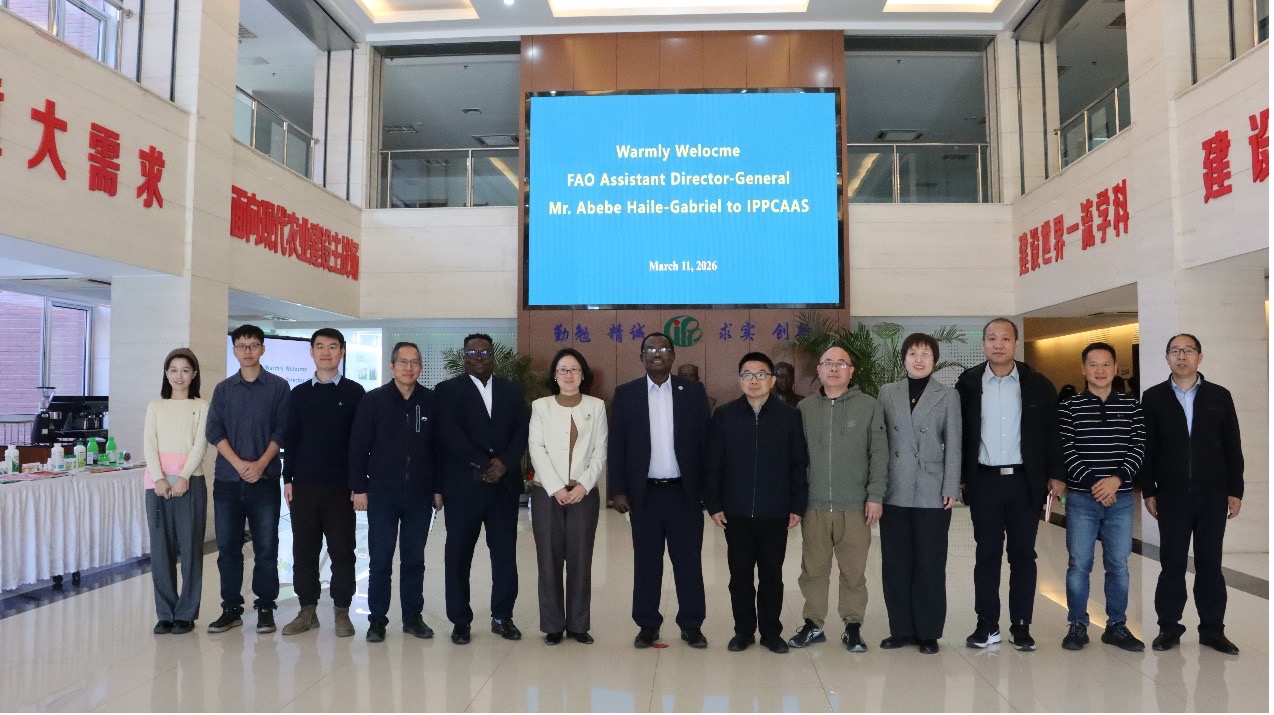 Assistant Director-General of the UN Food and Agriculture Organization Leads Delegation to Visit IPPCAAS
 -
 International Symposium on Plant Biosafety (ISPB 2025) Convenes in Guangzhou — Science-led plant health governance to secure food systems and advance the SDGs
 -
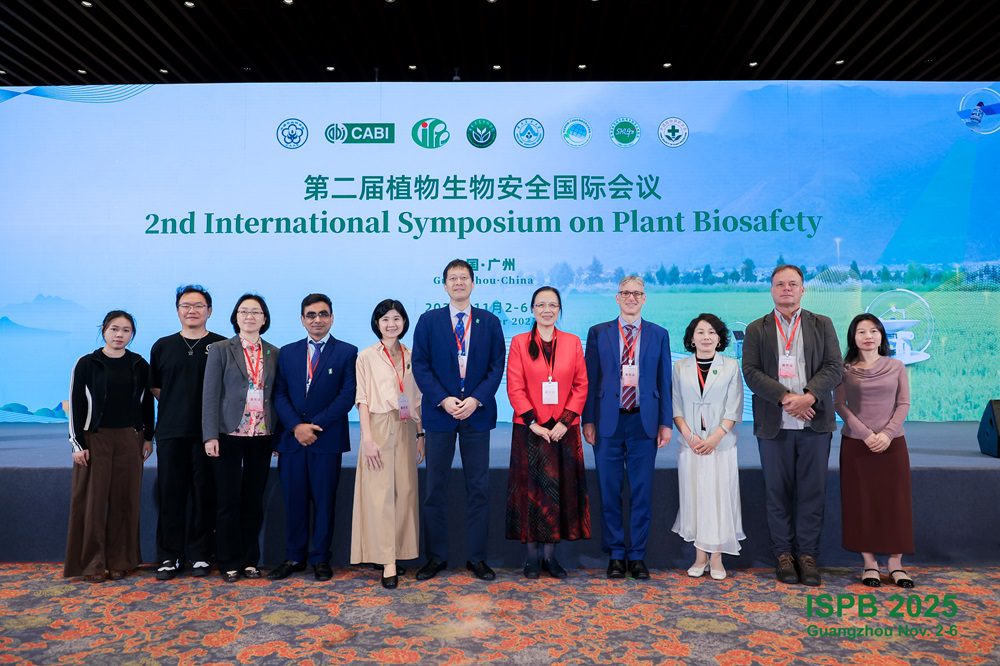 Three decades of China's membership of CABI celebrated at 2nd International Symposium on Plant Biosafety
 -
 CABI receives recognition from FAO for its work to support sustainable plant production and protection