
IPPCAAS Uncovers Dual Regulation and Disease Resistance Mechanism of Rice RNase P Subunit OsRpp30
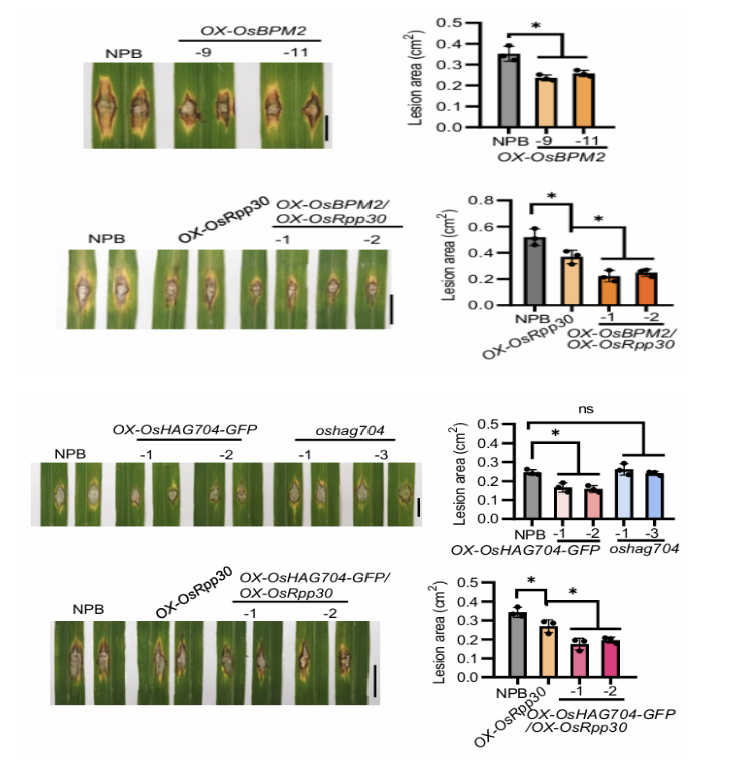
Recently, the Crop Pathogen Functional Genomics Innovation Team at the Institute of Plant Protection, Chinese Academy of Agricultural Sciences (IPP‑CAAS) published an online research paper in Plant Physiology entitled Dual regulation of RNase P subunit Rpp30 by an acetyltransferase and E3 ligase in rice immunity. This study reveals that the rice RNase P subunit OsRpp30 is under positive dual regulation by the histone acetyltransferase OsHAG704 and the E3 ubiquitin ligase OsBPM2 during resistance to rice blast, uncovering a mechanism by which rice enhances immune responses through regulating the stability of an RNase P subunit.
Rice is a major staple crop worldwide, and rice blast disease is one of the most devastating diseases threatening rice yield and global food security. OsRpp30 is a subunit of the RNase P complex, participates in the maturation of precursor tRNAs (pre‑tRNAs), and positively regulates rice immunity against rice blast. However, the regulatory mechanism underlying its protein homeostasis has remained elusive.
In this study, the histone acetyltransferase OsHAG704 directly interacts with OsRpp30, mediates its acetylation, and promotes the accumulation of OsRpp30. Rice plants overexpressing OsHAG704 exhibit significantly enhanced resistance to rice blast at both seedling and tillering stages, accompanied by elevated accumulation of H₂O₂. Furthermore, the E3 ubiquitin ligase OsBPM2, which contains a conserved BTB/POZ domain, also stabilizes OsRpp30 via physical interaction, thereby boosting disease resistance. The BTB/POZ domain of OsBPM2 plays a critical role in stabilizing OsRpp30. Notably, OsHAG704 and OsBPM2 do not interact directly; instead, they competitively bind OsRpp30 and coordinately govern its protein homeostasis to strengthen rice blast resistance.
Collectively, this study elucidates the regulatory mechanism of OsRpp30 protein homeostasis by OsHAG704 and OsBPM2, and further clarifies the functional role of OsRpp30 in rice immunity. These findings deepen our understanding of the link between protein stability and plant immunity, and provide a theoretical basis for molecular breeding of disease‑resistant rice.
This research was conducted in collaboration between IPP‑CAAS and the Department of Plant Pathology, The Ohio State University, USA. The Postdoctoral researcher Dr. Qin Feng is the first author, and Professor Guo-Liang Wang and Professor Yuese Ning are corresponding authors. This work was supported by the National Natural Science Foundation of China.
-
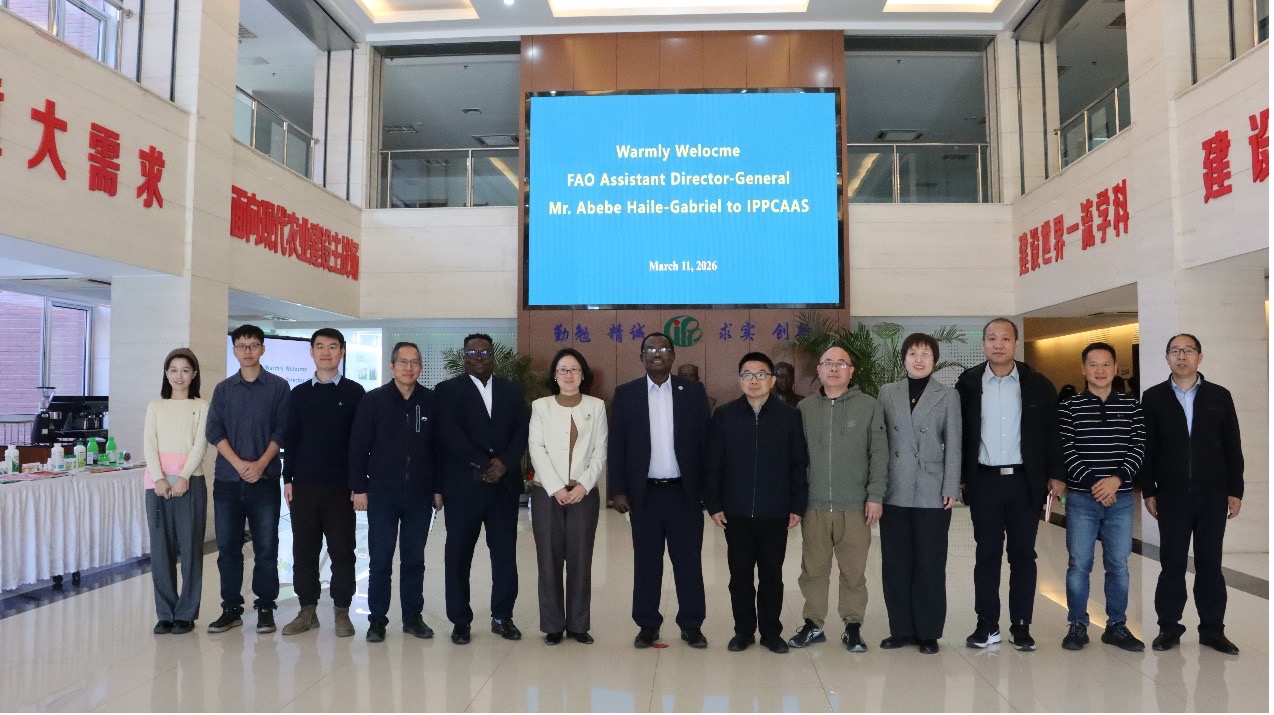 Assistant Director-General of the UN Food and Agriculture Organization Leads Delegation to Visit IPPCAAS
 -
 International Symposium on Plant Biosafety (ISPB 2025) Convenes in Guangzhou — Science-led plant health governance to secure food systems and advance the SDGs
 -
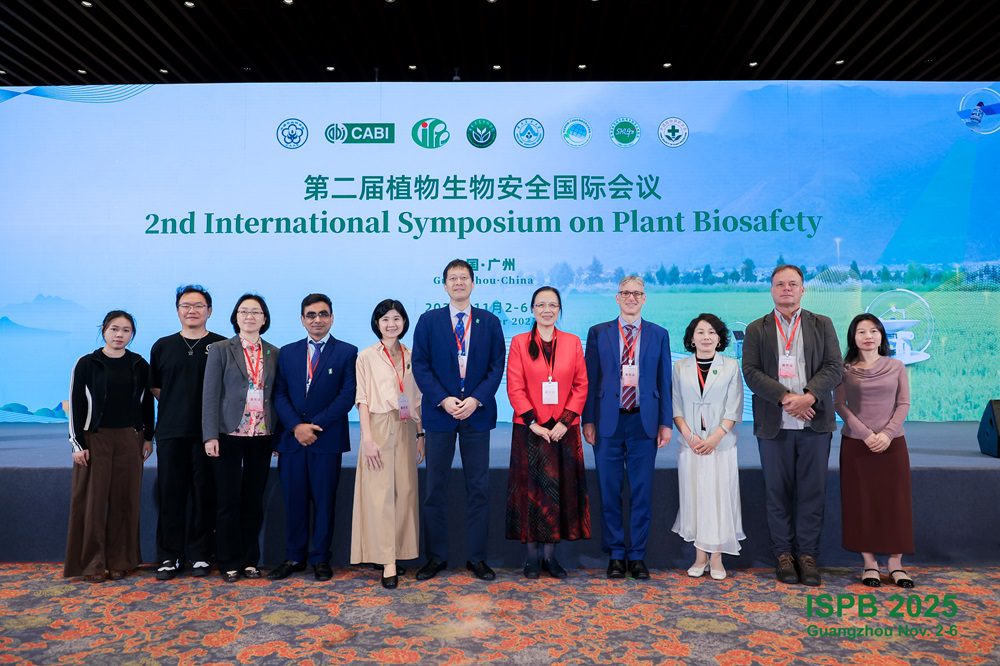 Three decades of China's membership of CABI celebrated at 2nd International Symposium on Plant Biosafety
 -
 CABI receives recognition from FAO for its work to support sustainable plant production and protection